Overview
SemOnd2G is a traffic light control system for a children’s traffic education playground in Sobrance, Slovakia. Five control units were built for this project, combining custom electronics, control software and a web interface.
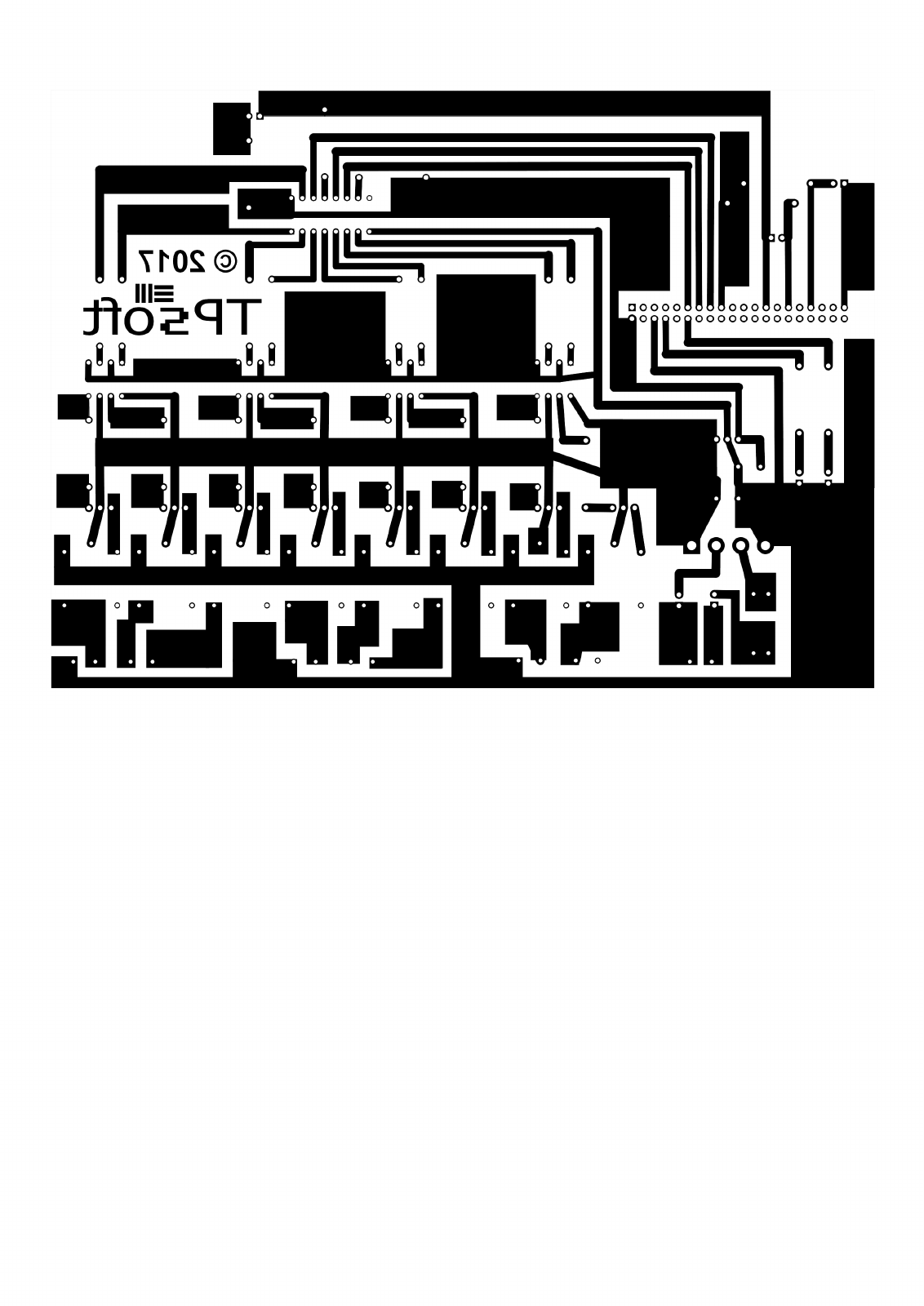
The project also demonstrates my work with basic electronics: circuit and PCB design, switching traffic lights and communication between devices.
The brief
The playground needed configurable control of individual lights and coordination across multiple units. Operators needed to create different intersection configurations, adjust timing and switch between automatic and manual control.
The system also needed straightforward operation from a computer or phone connected to the devices’ local WiFi network.
The solution
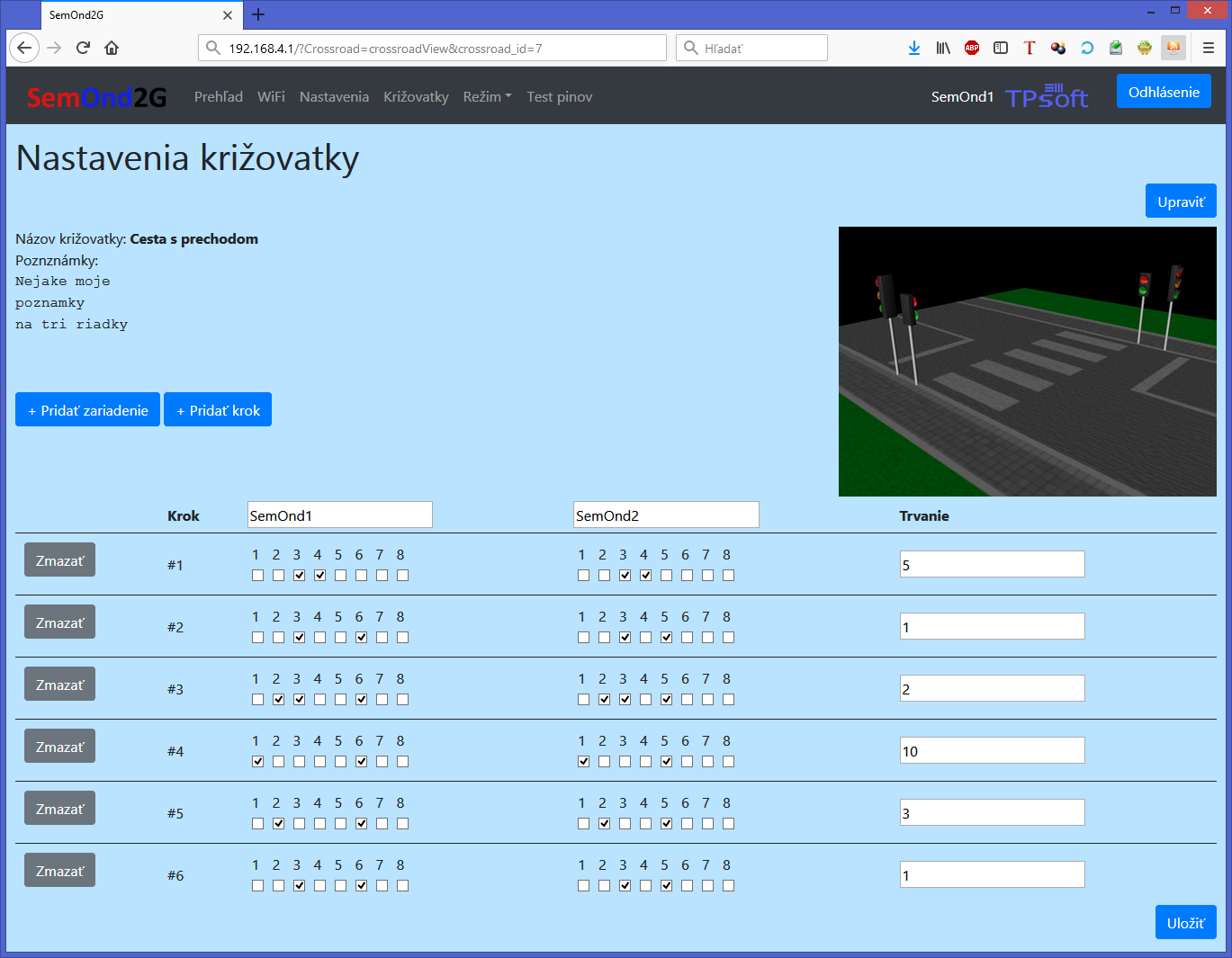
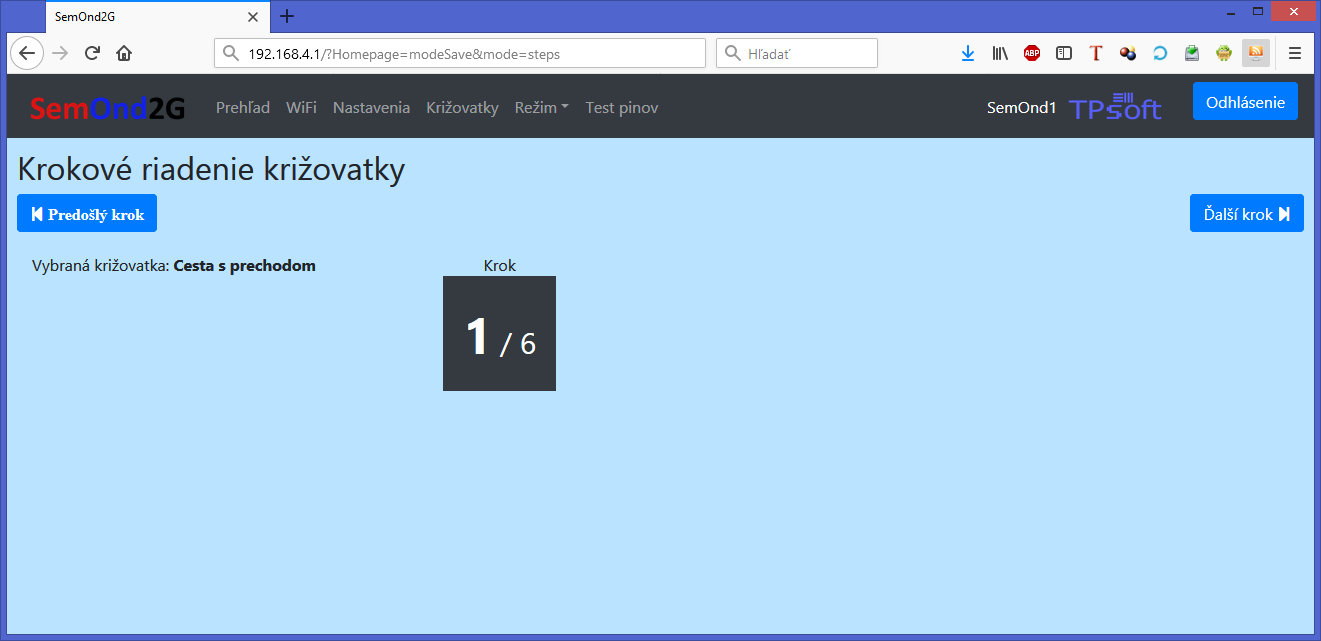
In the web interface, an intersection consists of control units and a sequence of steps. Each step defines which lights are on and how long the state lasts. Automatic mode repeats the sequence, while step-by-step control allows manual navigation between states.
- Automatic, step-by-step and manual control.
- An out-of-service simulation using flashing amber lights.
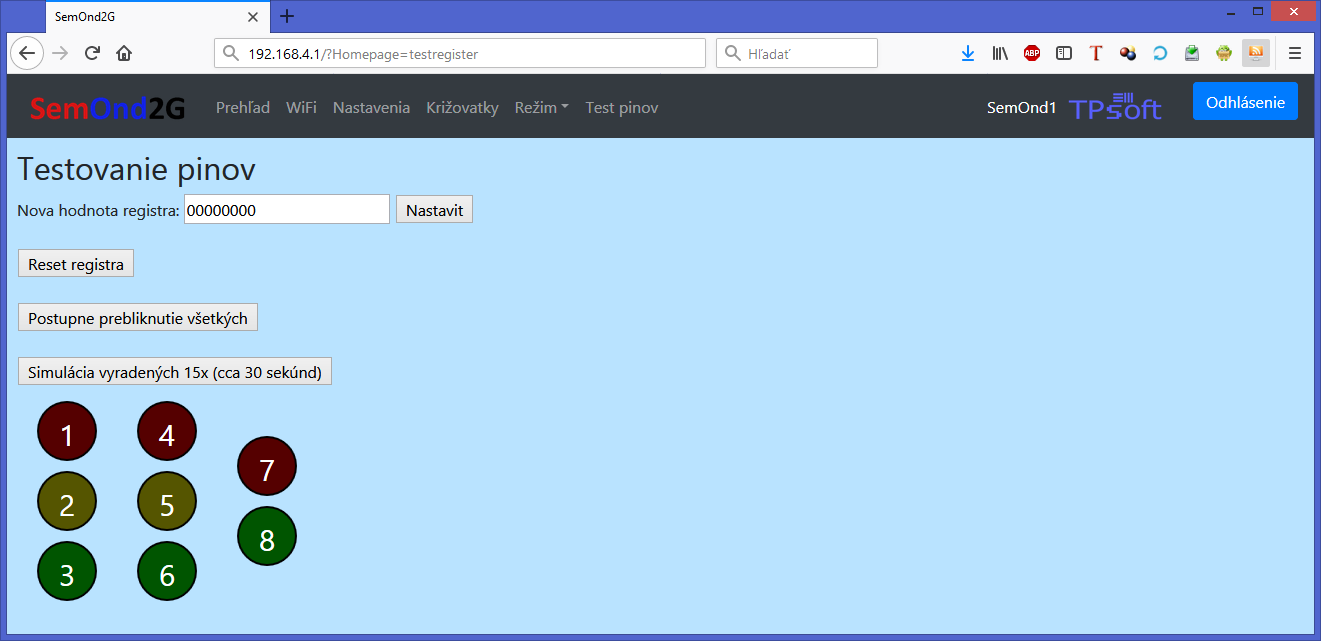
- Individual output testing and configuration of their functions.
- Local WiFi communication between the main controller and connected units.
- Storage of multiple intersection configurations and selection of the active one.
My role
I designed the electronic circuits, PCBs and relay output control. I developed the control software and web interface and prepared a user manual covering wiring, configuration and operation.
The work included connecting software to physical lights, coordinating units and later adapting the system to a microcontroller.
Technical implementation
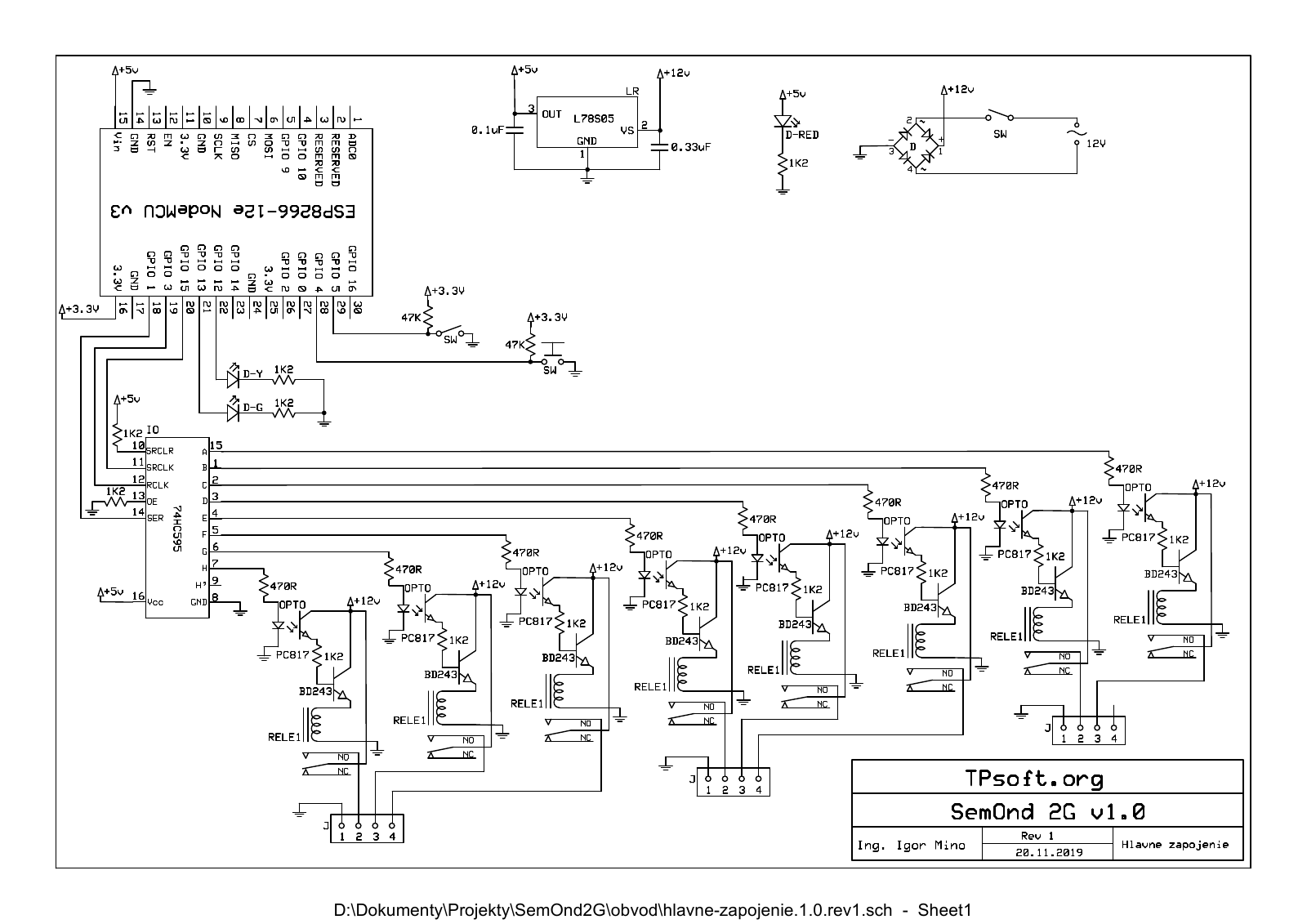
The electronics connect the control module to a shift register, optocouplers and transistor-driven relays. Each unit uses a 12 V supply and eight switched outputs for the traffic lights. The design also includes physical controls, status indicators and connectors.
The original version used a Raspberry Pi Zero running Linux, control logic in Python and a web application using PHP, MySQL and Bootstrap. WiFi allowed a unit to create its own access point or connect additional units.
Moving to ESP8266
In use, the original platform suffered from instability, outages and a long startup time. I replaced the Raspberry Pi Zero with an ESP8266 NodeMCU and adapted the control logic to the microcontroller.
I also ported the control interface to the ESP version. It retained similar visuals and the same functions, preserving the way operators used the system. The change reflects a practical choice of platform based on operating experience.
The result
Five units were built to provide configurable traffic light control for the children’s traffic education playground in Sobrance. Operators can prepare light sequences, adjust timing and use automatic or step-by-step control.
The project brings together basic electronics design, device control, wireless communication and a web interface in one practical solution.